

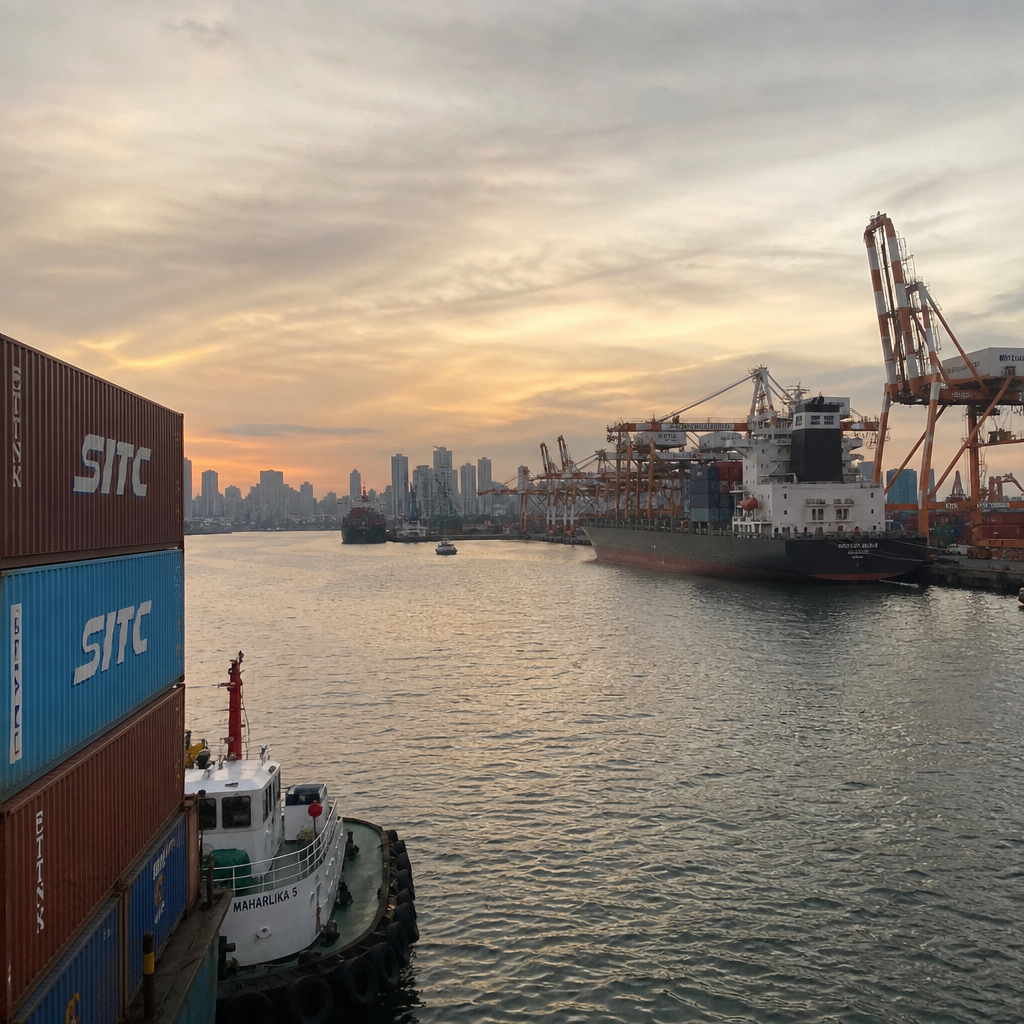
Philippine imports surged this year. The trade deficit reached nearly $6 billion in August. Rising global commodity prices worsened the situation. Officials at the Department of Trade and Industry expressed concern. The deficit grew by 35% compared to July. Import costs soared due to global tensions.
The Middle East conflict heavily impacted oil prices. These prices spiked. This drivs up import expenses. July's trade gap was already at a 4-year high. Financial experts like Benjamin Diokno noted these are challenging times. Imported goods like machinery and electronics saw price hikes.
The peso remains weak against the US dollar. This weakness increases overall import bills. Governor Eli Remolona of the Bangko Sentral ng Pilipinas commented on these pressures. Inflation worries continue to rise in the country. Lower exports fail to balance the import surge.
Ferdinand Marcos Jr.'s administration faces tough choices. The government seeks ways to stabilize the economy. Policies may shift to boost local manufacturing. Import restrictions are being considered to ease the deficit.
Analysts like CIEL Anthony Yatco emphasize diversification. Reliance on imported crude poses risks. Diversifying energy sources could help manage costs. Renewable energy projects may gain increased focus.
In May, the Philippines had a dollar surplus. This brief surplus shifted quickly with escalating import bills. The nation's economy feels the strain of ongoing global financial shifts. Observers predict these challenges persist in the near term.