

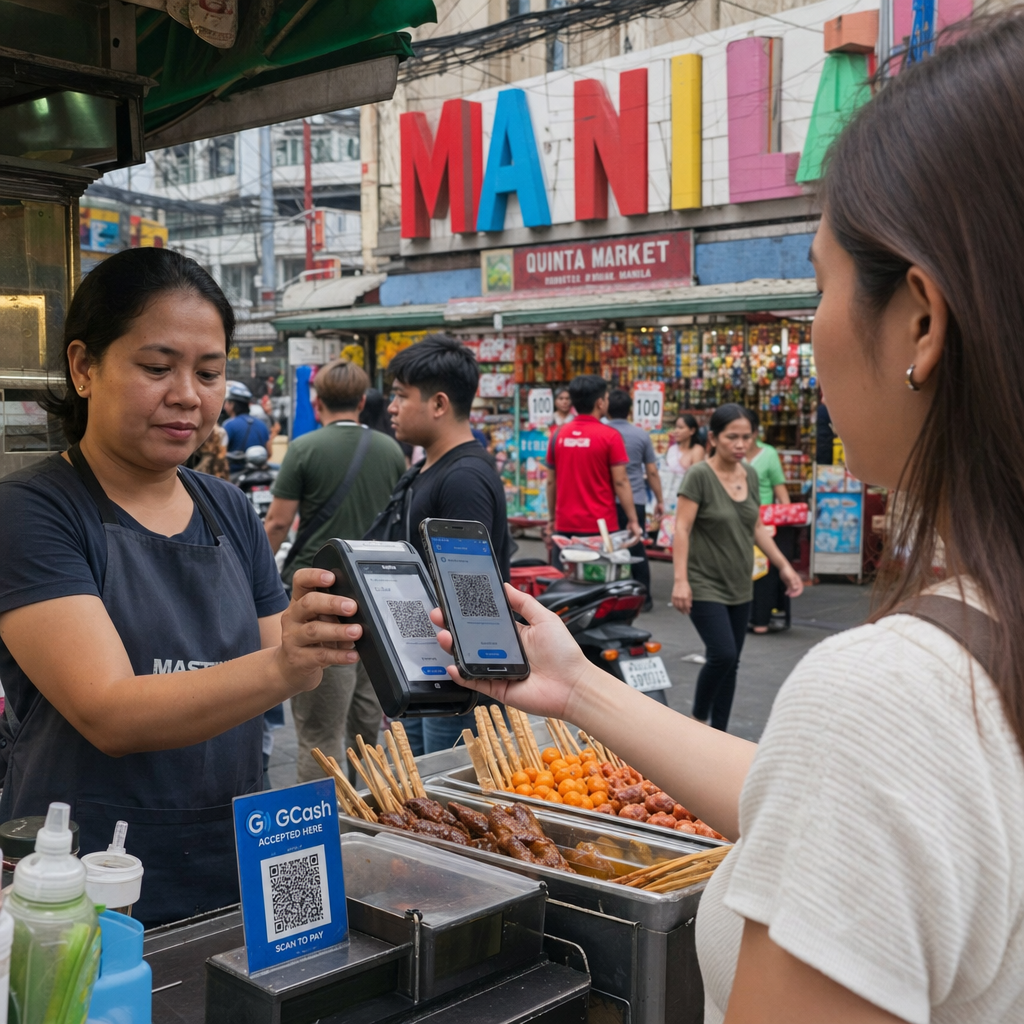
In the Philippines, the rise of digital wallets has transformed the way consumers make transactions, bringing both convenience and new financial considerations. E-wallets have particularly gained traction in urban areas, where the need for quick and reliable payment methods is ever present. However, as their popularity surges, users are confronting the varied fees imposed by different e-wallet providers.
The convenience of e-wallets is undeniable. For many Filipinos, these digital financial tools have streamlined everyday activities from paying bills to sending money to family members. The simplicity of operating with a smartphone and the ability to avoid physical cash transactions have made e-wallets appealing, especially amid the ongoing developments in the country's digital infrastructure.
Despite these advantages, users are increasingly aware of the cost implications. A significant factor is the transfer fees that can vary considerably between providers. While some platforms offer low-cost services, others charge fees that can add up, particularly for frequent users. These costs have become a crucial consideration for individuals as they decide which service best suits their needs.
There is also a growing demand for transparency and standardization in fee structures. Consumers are beginning to call for clear information on charges upfront, facilitating comparison between different services. As e-wallet usage matures, such transparency could become a competitive advantage for providers seeking to attract cost-conscious customers.
The impact of e-wallet services extends to the broader economic landscape. For businesses, the adoption of digital payments has facilitated cash flow management and broadened customer reach. However, the associated costs can also impact small enterprises, particularly those operating on tight margins.
To continue thriving in this digital economy, both providers and regulators may need to collaboratively address these issues. Creating a balanced ecosystem that prioritizes user fairness without stifling innovation will be key to the sustainable growth of the e-wallet sector in the Philippines.