

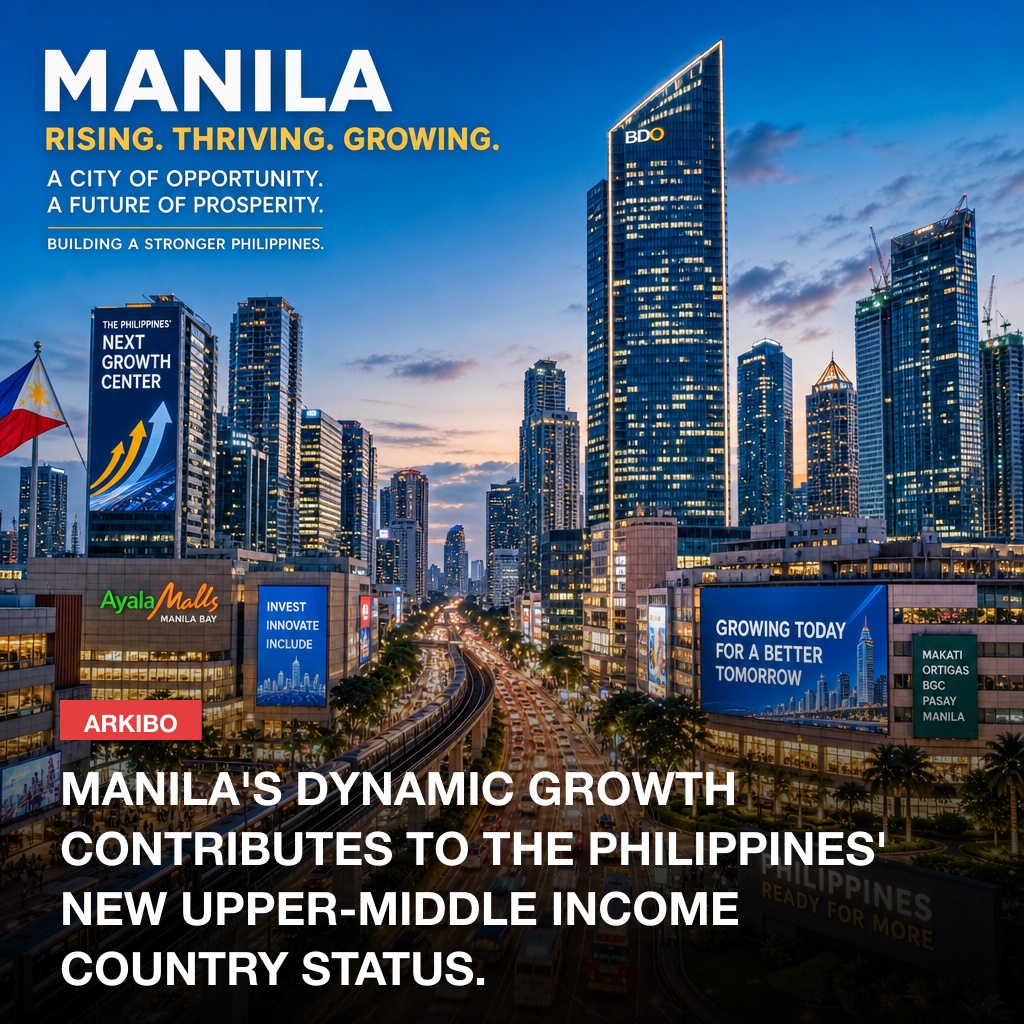
The Philippines has been officially recognized as an Upper-Middle Income Country, according to recent global financial assessments. This classification signifies a notable milestone in the nation's economic development, placing the Philippines alongside other countries that have demonstrated rising standards of living and economic performance. The leap to this new status is marked by increased GDP per capita, reflecting more robust economic activity across various sectors.
Achieving this status is a product of sustained economic reforms and a strong focus on infrastructure improvements. The government's initiatives to boost industrial output, enhance service-based industries, and expand export capabilities have contributed significantly to this achievement. The steady growth in the technology and business process outsourcing sectors, combined with a resilient domestic market, has been instrumental in driving economic expansion. Additionally, substantial foreign direct investments have bolstered economic performance, contributing to the rise in income classification.
The World Bank's classification of income groups places upper-middle income economies as those with a gross national income per capita between $4,046 to $12,535. The Philippines' fulfillment of these criteria underscores its ability to maintain economic stability and growth momentum. Given current global economic conditions, the country's achievement is viewed as a significant accomplishment, highlighting its resilience amidst various challenges in the international economic landscape.
This transition is expected to open new avenues for international trade and investment opportunities. As an Upper-Middle Income Country, the Philippines may access favorable financial terms and enhanced cooperative agreements with other nations. This status could also positively impact the country's credit ratings, thereby reducing borrowing costs and supporting further economic development.
However, with these new opportunities come complex challenges. The government must address issues related to income inequality, poverty reduction, and ensuring sustainable economic growth. Policy frameworks must focus on inclusive growth strategies to ensure that the benefits of economic advancement reach all segments of society. Infrastructure development must continue to be prioritized to support continued growth and enhance competitiveness in the global market.
Global organizations and financial experts have lauded the Philippines for this accomplishment, noting the government's proactive approach to policy reform and economic management. This status is not only a reflection of past successes but also poses a responsibility to build on this foundation for future prosperity. Analysts emphasize the importance of maintaining a focus on innovation, education, and workforce development to sustain economic achievements.
Overall, the Philippines' newly acquired economic status is a testament to its progress over the years. The nation stands as a burgeoning economic hub in Southeast Asia, with the potential to further improve living standards and national well-being. As public and private sectors continue to collaborate, the Philippines is well-positioned to leverage its status for continued development and growth.