

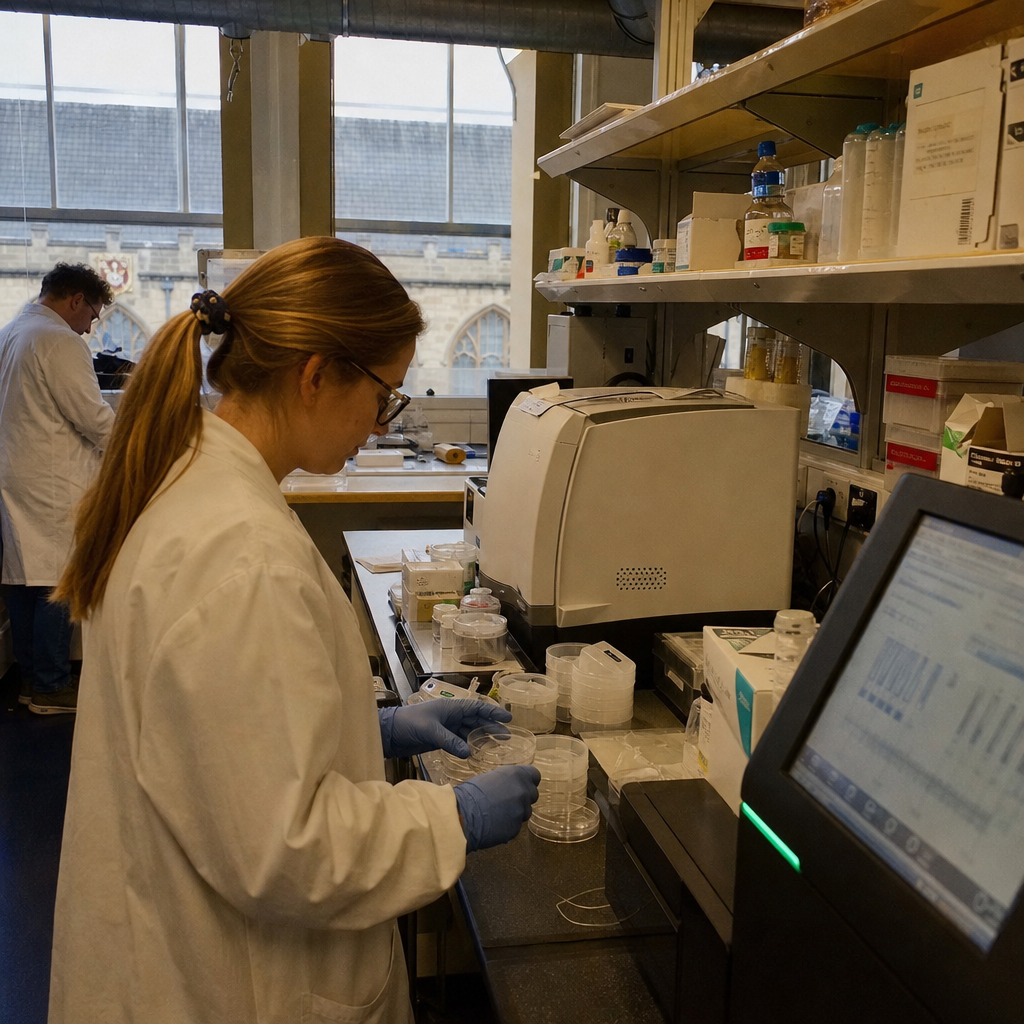
Scientists have reversed 60 years of cellular aging. This marks a significant advance in longevity research. Researchers at the University of Cambridge led the study. The results were published on October 15, 2023. They used a technique called cell rejuvenation.
The technique is complex but effective. It involves reprogramming the DNA of the cells. The process helps revert the cells to a more youthful state. Professor Wolf Reik led the study. He explained the significance of their findings.
This breakthrough can impact age-related diseases. Diseases like Alzheimer's and cancer might benefit. The method adds valuable insight into cellular biology. Reik emphasized this point during the announcement.
Scientists remain cautious about immediate applications. They know there are ethical considerations. Clinical trials in humans are not yet underway. Critics urge more research before direct human applications.
The research team continues to test their method. Future experiments will expand the scope. They aim to refine the process even further. This could change medical approaches to aging entirely.
Public interest in this study remains high. Scientific and medical communities follow updates closely. The potential implications encourage widespread discussion. People hope for new treatments and therapies soon.