
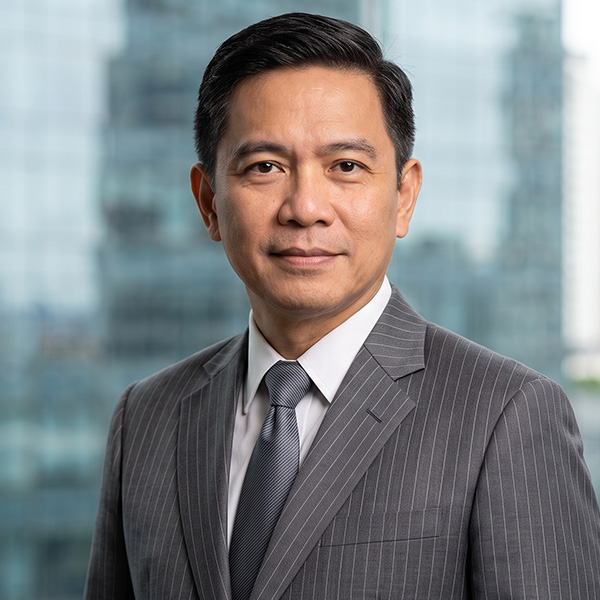
Solar Philippines Power Projects Holdings Inc. Faces significant penalties. The company must pay P24 billion for breaking power supply commitments. The Department of Energy in the Philippines confirmed this penalty. The company failed to deliver promised power. More than 30 service contracts were affected. Leandro Leviste established Solar Philippines. Leviste also serves in the House of Representatives.
The hefty penalty indicates potential risks in renewable energy investments. Concerns grow among investors and stakeholders. The breach affects government energy strategies. The renewable energy sector may see challenges ahead. More companies might face scrutiny and regulations. Investors remain cautious in the Philippines.
The breached contracts were key. They were intended to support energy supply in the Philippines. These contracts aimed to strengthen renewable energy use. Failure to meet commitments disrupts this plan. Energy shortages might occur as a result. Government efforts to ensure stable energy supply face hurdles.
The Department of Energy monitors contract compliance closely. Officials stress the importance of reliable power. Companies must honor their commitments. This incident emphasizes the vitality of contract adherence. Regulatory bodies will likely increase oversight. Compliance becomes critical for energy companies.
Solar Philippines has not commented publicly yet. Stakeholders await the company's response. Analysts predict potential legal proceedings. Financial repercussions for the company appear severe. The situation might lead to restructuring. Observers watch for further developments.
The incident highlights the volatile nature of energy markets. Fluctuations in supply can impact contracts. Companies must manage risks effectively. Meeting obligations is key for reputation. This case serves as a warning for others. Adhering to commitments is vital in business.