

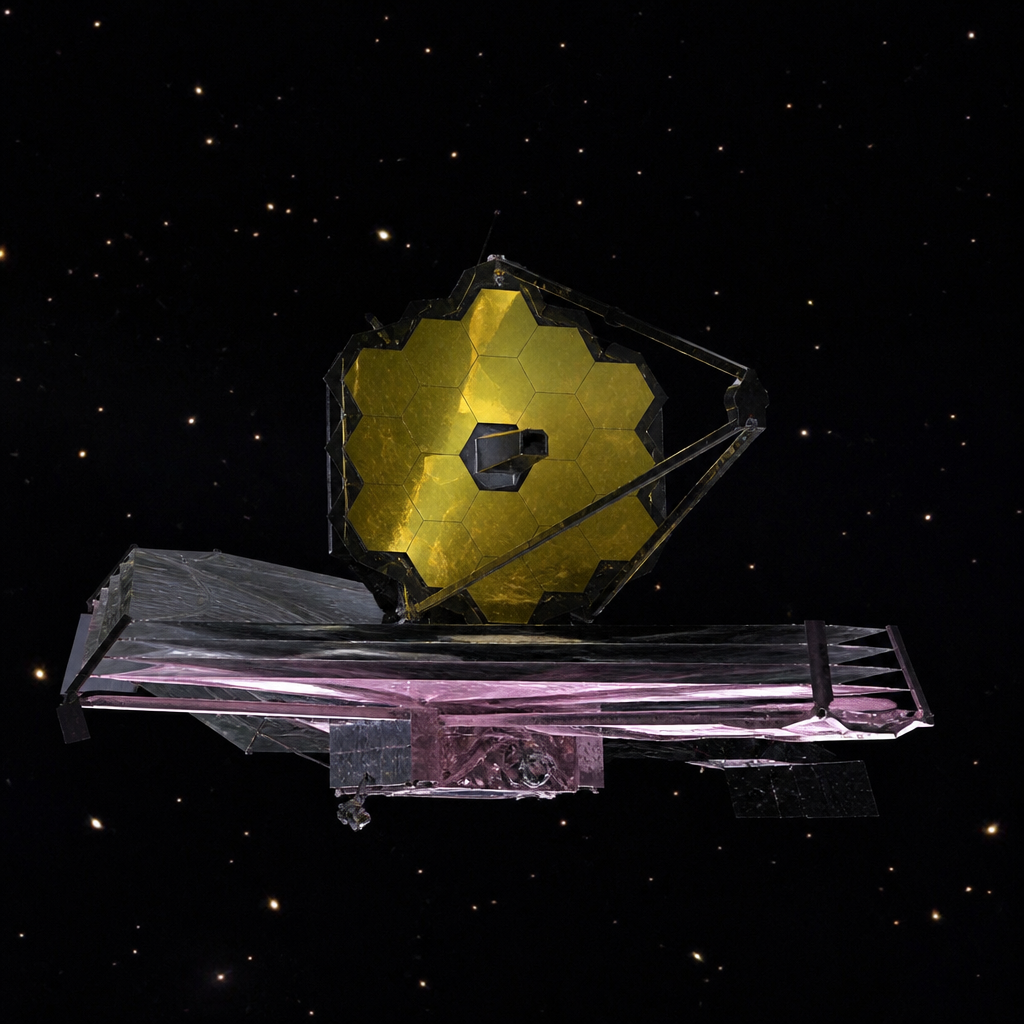
The James Webb Space Telescope continues to amaze scientists. A recent observation noted Mars-sized planets colliding. This discovery shows planetary formation. Scientists believe collisions shaped our solar system. These events provide clues to Earth's history.
NASA revealed these findings on October 12, 2023. They examined data from various star systems. The telescope's instruments detected debris and changes. Scientists see these as signatures of massive impacts. These collisions occur in distant parts of the Milky Way.
Philippine astronomers show great interest in these events. They see parallels with the early solar system. The collisions might explain Earth’s moon formation. Apollo missions also hinted at ancient impacts. Now, Webb offers more evidence.
Raymond Sy is an astronomer in Manila. They comments on the data. He sees new opportunities for study. The telescope's data may guide future research. Philippine institutions plan collaborative projects. International partnerships might follow.
Scientists hope to understand the frequency of these collisions. Observing more systems could reveal patterns. Mars-sized impacts remained theoretical until now. Webb's images provide concrete examples. NASA plans further investigations.
Webb represents significant advancements in astronomy. The telescope allows us to see beyond visible light. It operates in infrared wavelengths. This capability reveals unseen cosmic events. The discovery of planetary collisions is one benefit.
Webb continues to meet expectations. More discoveries are likely in the coming months. It enhances our understanding of the universe. Scientists and enthusiasts await further findings. The James Webb Space Telescope remains instrumental in cosmic exploration.