

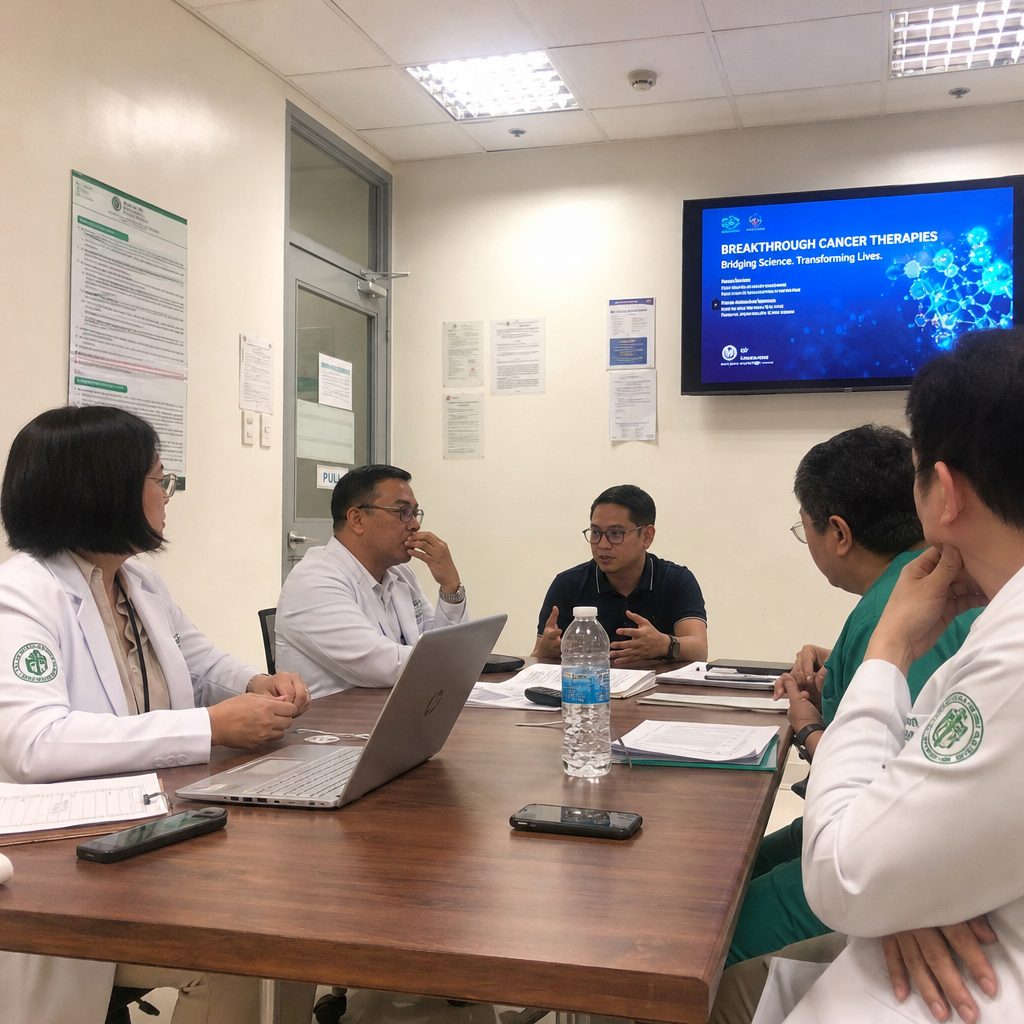
The introduction of a groundbreaking combination therapy has improved cancer survival rates for 63% of men in the Philippines. This promising development was publicly announced on Tuesday, with health officials and medical experts hailing it as a significant advancement in cancer treatment within the country.
At the core of this breakthrough is a multi-agent approach combining immunotherapy and traditional chemotherapy. This strategy has shown remarkable success. This aligns with global findings such as those reported in the STAT and Reuters. An 82% tumor response rate has been achieved in international trials of similar therapies. The move stresses the potential of this approach.
The therapy, which has yet to be formally named, combines cutting-edge biologic agents with chemotherapeutic drugs to more effectively target and destroy cancer cells. This combination not only enhances the efficacy of existing treatments but notably reduces cancer recurrence rates. It leads to longer survival periods for patients.
Context & Stakeholder Impact The Philippine Department of Health (DOH) has been closely monitoring this development. The action express optimism about the implications for patient care. "This combination therapy offers renewed hope for thousands of Filipino men battling cancer," said Health Secretary Francisco Duque III. He emphasized that the DOH is committed to integrating these new treatments into public healthcare plans to ensure accessibility for patients nationwide.
Also, oncologists in the country are witnessing firsthand the impact of this treatment. Hospitals like the Philippine General Hospital and St. Luke's Medical Center have reported improved patient outcomes. This aligns with the therapeutic success noted in trials conducted by Amgen and AstraZeneca with their own drug combinations in lung cancer patients.
Patients, too, have responded positively, with many sharing stories of extended life expectancy and improved quality of life. Financially, the costs associated with advanced therapies are a concern, yet the promise of survival and recovery has generated widespread hope.
Key Takeaways & What Lies Ahead The next steps for the full implementation of this groundbreaking therapy include approval from the Food and Drug Administration (FDA) and incorporation into standard cancer care protocols across the nation. With clinical trials progressing and the treatment’s efficacy becoming more widely recognized, a regulatory hearing is expected by early 2024.
As the international medical community continues to validate complementary therapies for various cancer types, the Philippines is poised to expand its role in global cancer research. The ongoing outcomes from this therapy will likely inform future projects and potentially open new lines of investment in the pharmaceutical and biotechnology sectors.
For Filipinos, this advancement represents not only a leap forward in cancer care but also an enhancement of the country's medical capabilities. The move promiss personalized treatment options that could dramatically alter the landscape of cancer therapy in the region.