

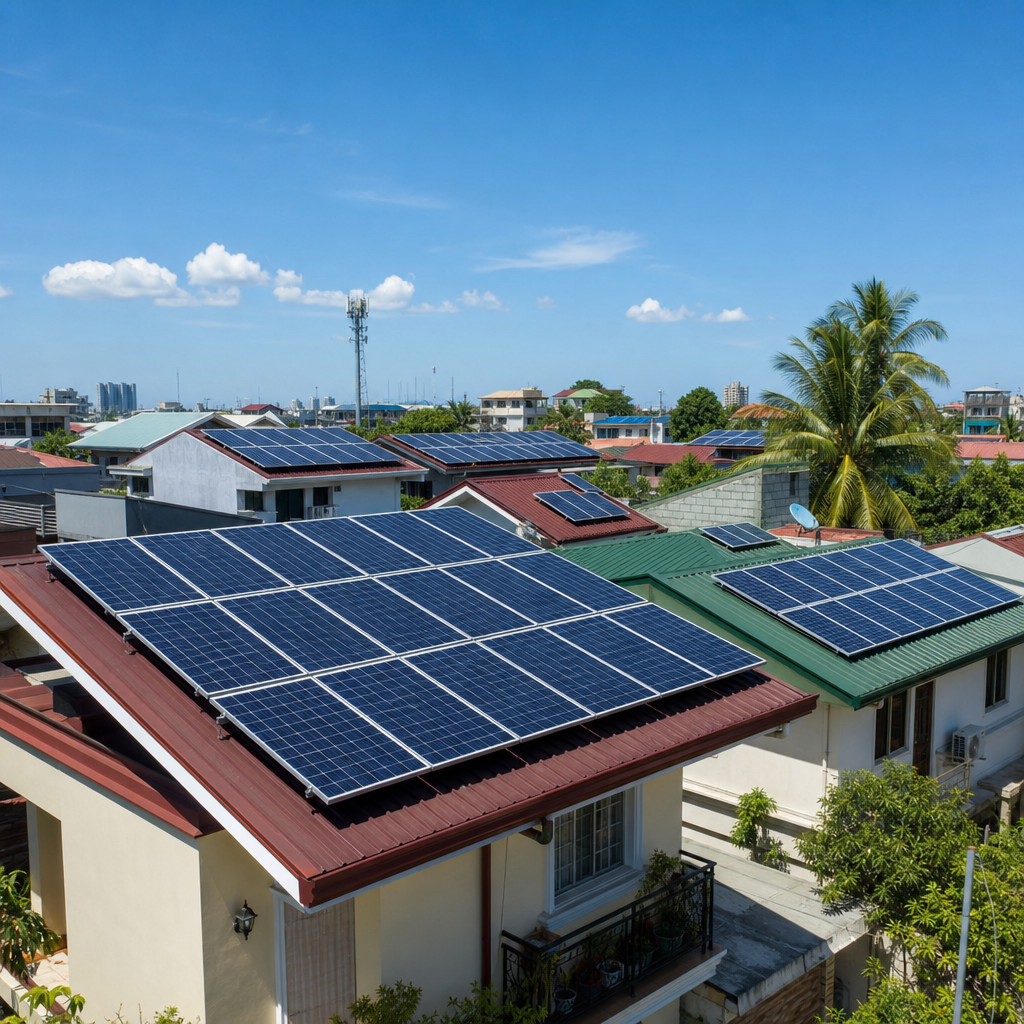
China has been playing a significant role in accelerating the adoption of rooftop solar technology in the Philippines, marking a key international collaboration in the field of renewable energy. This strategic partnership is contributing significantly to the Southeast Asian country's efforts to harness solar power and move towards more sustainable energy solutions. With new investments and technologies, this collaboration is rapidly transforming the Philippine energy landscape.
The collaboration has led to substantial financial and technological investments by Chinese companies in the Philippine solar market. These investments are aimed at improving local infrastructure and reducing dependency on fossil fuels. Companies like Trina Solar and Sungrow have been at the forefront of providing advanced solar technologies and expertise.
The impact of this collaboration is becoming increasingly evident, with a rise in the number of residential and commercial buildings in the Philippines outfitted with solar panels. This surge is helping to meet the growing energy demands in a country known for its high electricity costs and frequent outages.
Such international partnerships are crucial in the context of global climate change, offering scalable solutions that can be replicated in other regions. The move towards solar energy not only addresses environmental concerns but also brings economic benefits, generating jobs and reducing energy costs.
By choosing to invest heavily in the Philippines, China's influence extends beyond simple financial aid. It brings valuable technological partnerships and expertise that are instrumental in empowering countries to transition towards cleaner energy.
This development is especially important for the Philippines, which is prone to environmental threats such as typhoons and rising sea levels. With renewable energy sources like solar, the country can build a more resilient energy system. Overall, China's involvement in expanding rooftop solar in the Philippines highlights a promising path for future international energy collaborations.