

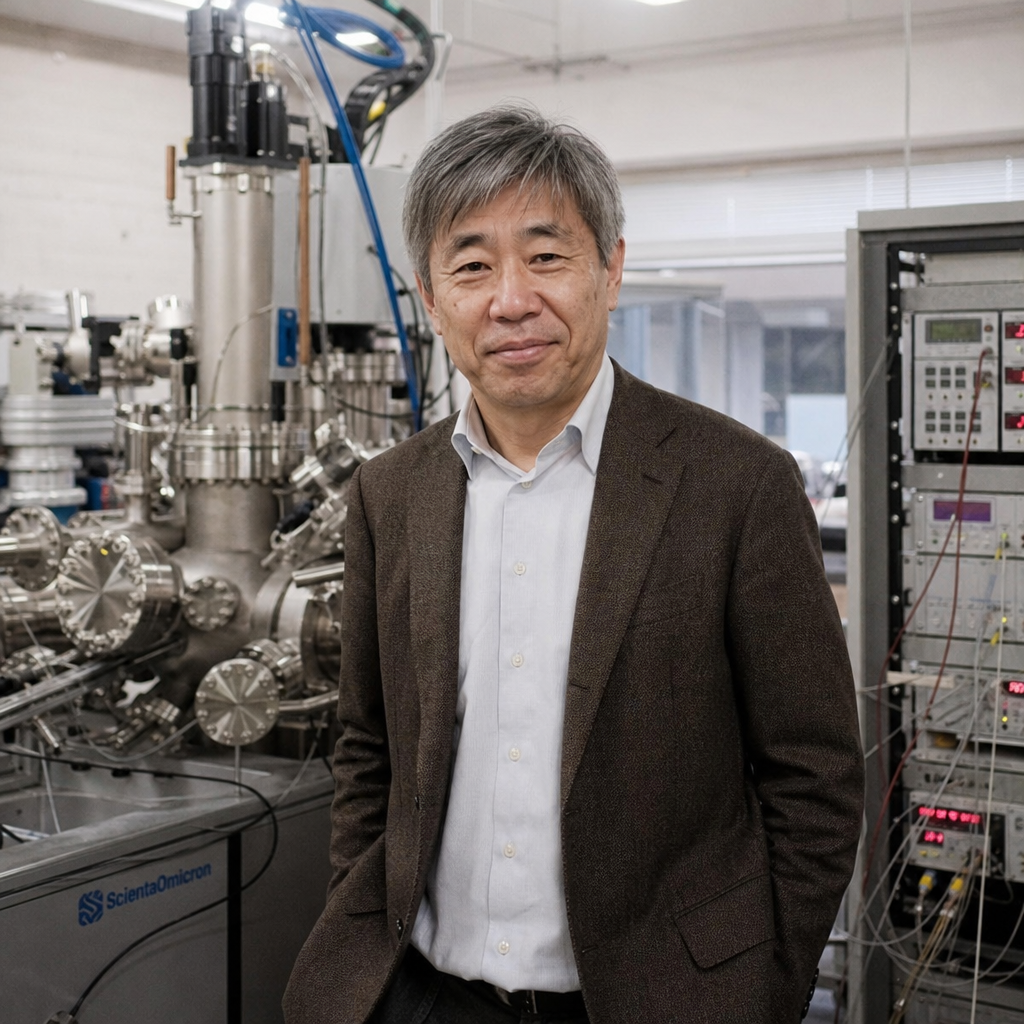
The scientific community has been shaken by the unveiling of altermagnetism, a third type of magnetism that promises to redefine technology as we know it. Discovered by a team of researchers whose groundbreaking work recently earned them a major physics accolade, this new magnetic phenomenon has the potential to significantly advance electronic data storage and processing speeds. The announcement was made this week. This sparks interest and optimism in tech sectors around the globe. The move includes the Philippines.
Altermagnetism differs from the two previously known types of magnetism, ferromagnetism and antiferromagnetism, in its unique quantum properties. These properties allow it to be employed in ways that could lead to more efficient data storage solutions and faster computing processes. The discovery, which was initially reported in top physics journals, signals a new frontier for technological development, beneficial not only to global industries but also to local markets in the Philippines.
Context & Stakeholder Impact The potential implications of altermagnetism extend beyond theoretical academia. The Department of Science and Technology (DOST) in the Philippines has expressed great interest in the research. It notes its possible contributions to the country's growing information technology market, which is poised to receive billions in investments over the next decade. According to DOST Secretary Fortunato de la Peña, the discovery could accelerate the digital infrastructure development in the Philippines. The action provides the country with a competitive edge in the global tech landscape.
Meanwhile, IT companies and semiconductor manufacturers in the country are optimistic. The new type of magnetism could lower energy consumption in data centers, a key factor considering the rising costs of electricity in the Philippines. As noted by a statement from the Philippine Semiconductor and Electronics Industries in the Philippines Foundation, altermagnetism might offer alternative solutions for sustainable and scalable growth in electronics manufacturing.
Key Takeaways & What Lies Ahead Looking ahead, the primary focus will be on the research and development of practical applications of altermagnetism within commercial technologies. Researchers involved in the initial discovery are aiming to partner with tech companies for experimental integration of their findings into existing systems.
In the coming months, international tech firms are expected to host discussions and forums to explore the feasibility and implementation of altermagnetic technology. The Philippines’ IT sector, along with academic institutions, is anticipated to play an active role, potentially positioning the country as a regional hub for innovation in magnetism-related technologies.
The national government is preparing to support initiatives that could emerge from this breakthrough. The Department of Trade and Industry (DTI) has announced plans to convene a series of workshops and conferences aimed at educating local stakeholders on altermagnetism's practical applications. Such initiatives are set to pave the way for more collaboration between Filipino tech innovators and global research communities.
This discovery comes at a time when the world is increasingly reliant on technology. This marks a significant milestone that could steer the future of electronics and computing. With the potential of altermagnetism being harnessed for practical and commercial use, the Philippines finds itself well-positioned to embrace this novel scientific advancement.