
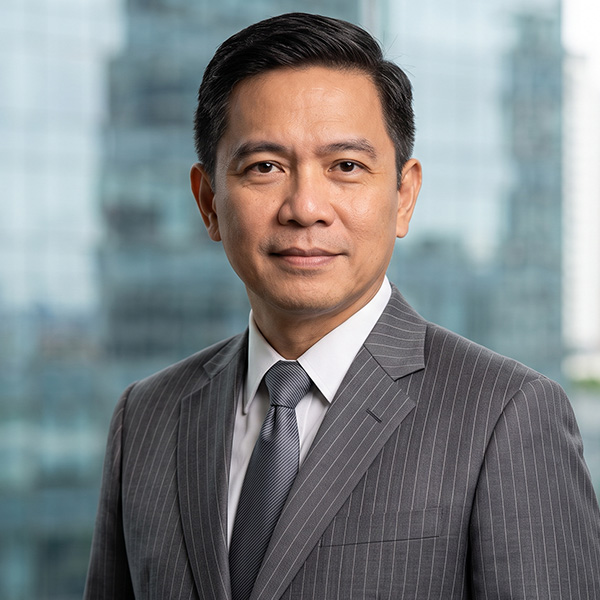
Philippines' Defense Secretary Gilberto Teodoro Jr. Is poised to become a pivotal figure in the upcoming presidential elections. This contemplats a run that could reshape the nation's economic stance towards China. Teodoro's potential candidacy is both a significant political development and an economic one, particularly concerning bilateral trade and maritime issues that have long been at the forefront of the Philippines' diplomatic relations.
Teodoro, who has served as the country's top defense official since 2020, hinted at a possible shift in the country's economic policies if he takes the presidential seat. This development is key for investors watching the regional balance of power and economic dynamics in Southeast Asia, especially those concerned with trade routes and maritime rights in the contentious South China Sea.
The Philippines' economic relationship with China has traditionally balanced between cooperation and contention. The move focuses on massive trade volumes and disputed maritime territories. Changes in leadership potentially bring about shifts in policy, which could affect everything from tariffs on goods to joint ventures in key industries like telecommunications and infrastructure.
Context & Stakeholder Impact Under Teodoro's leadership, Philippine defense strategies have become more assertive, particularly regarding South China Sea territorial waters, a region rich in resources and strategic significance. The Department of Trade and Industry (DTI) notes that China is one of the Philippines' largest trading partners, with total trade valued at approximately PHP 2 trillion (USD 40 billion) per annum. Any policy shift by Teodoro could influence tariff policies and impact trade balances.
Filipino investors and businesses are keeping a close watch on possible policy announcements as the political climate shifts. "Stability in our economic relations is key," said Ramon Lopez, a former trade secretary. "While a firmer defense posture is necessary, we must also ensure that it does not disrupt our economic interests."
At the grassroots level, changes in maritime policy under Teodoro's potential administration could impact Filipino fishing communities and local economies. The Department of Agriculture's Bureau of Fisheries noted that "fishermen rely heavily on the current policy status quo for their livelihood. Any adjustments need careful consideration to prevent economic disruptions."
Key Takeaways & What Lies Ahead As Teodoro mulls a presidential bid, Filipinos can expect heightened discussions around national security and economic strategies, particularly in relation to China. With possible changes in policy, stakeholders will be looking towards regulatory hearings and campaign platforms to better understand Teodoro's potential plans to enhance or recalibrate trade treaties.
Upcoming Senate hearings on defense allocations could provide some transparency in how military and economic policies may shift under a Teodoro-led administration. Political analysts suggest keeping a close watch on these discussions as they may yield insights into his strategic priorities. Consequently is the business sector. They political observers, and the general public will be keenly watching how Teodoro's campaign unfolds and what specific economic policies he plans to champion.
For now, the Defense Chief's deliberation to enter the presidential race stands as one of the many dynamic elements of the fast-approaching elections, with profound implications for both foreign relations and domestic policy outcomes. Economists and lawmakers alike are preparing to navigate these waters should Teodoro decide to formalize his stance.