

Filipino technology leaders are facing global pressure to rethink AI development. Many countries are discussing the ethics and safety of AI technologies worldwide. Recent reports show concern about the rapid growth of AI systems. The Philippines may join this discourse actively.
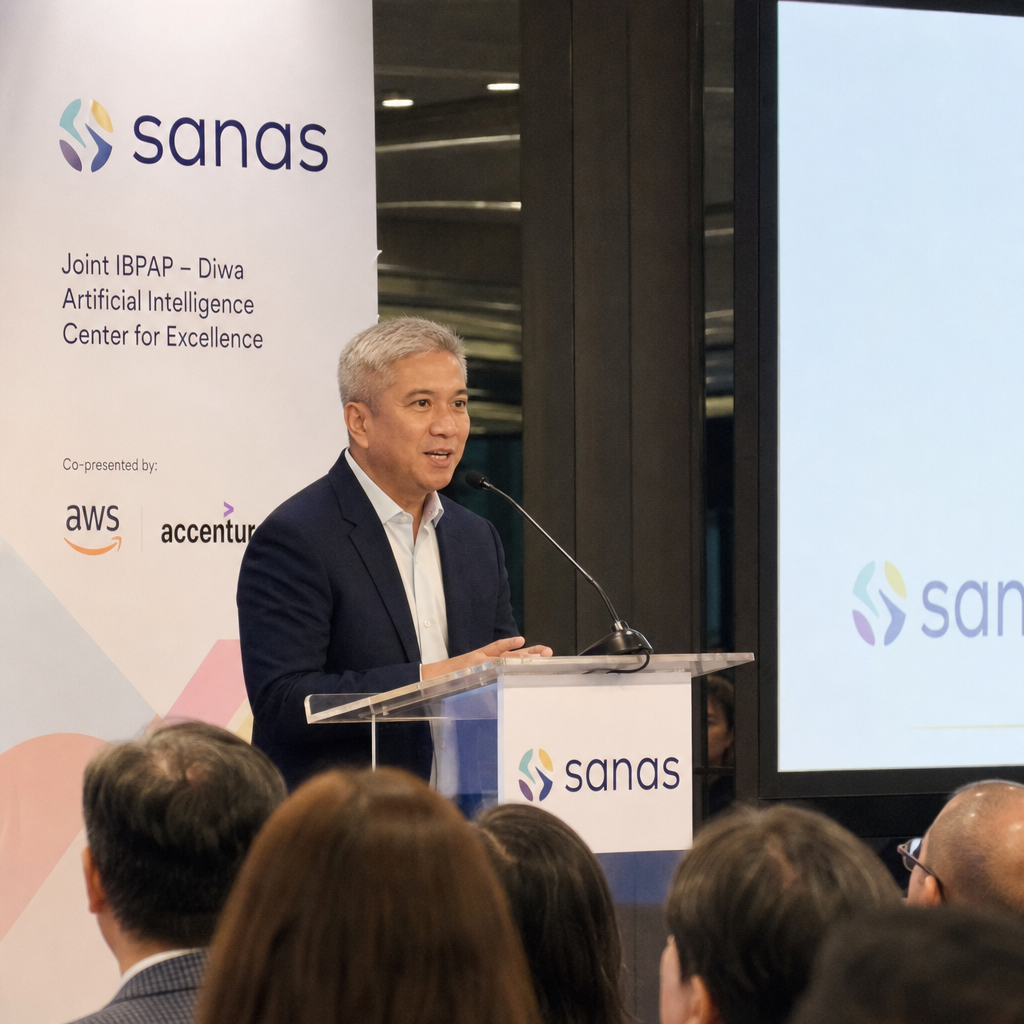
Jack Madrid has announced a significant career change. He stepped down as CEO of IT and Business Process Association (IBPAP). He joined Sanas, a firm specializing in speech AI. Sanas focuses on investments in the Philippines. Thus, the country sees increased activity in the AI sector.
Madrid believes AI technology needs thoughtful oversight. This oversight involves balancing innovation with responsible practices. He emphasizes the importance of a structured approach to AI. This approach ensures that developments are ethical and safe.
The Department of Information and Communications Technology (DICT) shares these concerns. They stress the need for regulation. They want to align with global efforts while fostering innovation within local industries. DICT's goals include responsible development of AI systems.
Several experts express apprehensions about potential risks. The concerns highlight privacy and job displacement issues. National policy discussions may address these topics. Proponents argue for a slowdown or moratorium on AI expansion.
Philippine lawmakers are also showing interest. They seek to explore legal frameworks around AI governance. The current focus is on adapting policies that respond to worldwide ethical standards. Ongoing research will guide these legislators' efforts in shaping future policies.
International support is key for the Philippines in regulating AI. The country participates actively in global tech forums. Stakeholders aim to create stable regulatory environments. These efforts foster sustainable and secure technological advancements.