
The Philippines faces significant challenges in regulating artificial intelligence. This includes balancing technological advancement with ethical concerns. The global debate on AI regulations influences these decisions. Key countries. This includes the United States and China, hold different views. They shape the international landscape of AI governance.
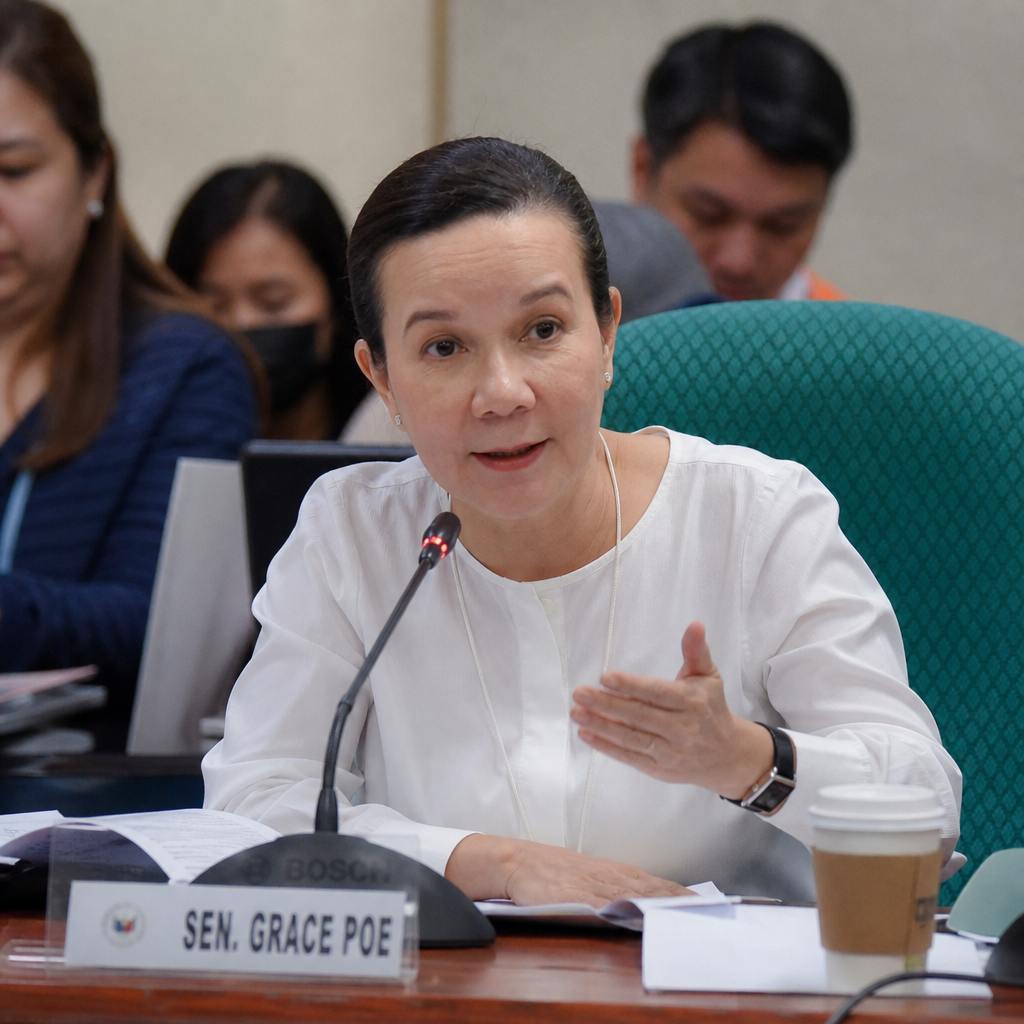
In Manila, government officials discuss these complex issues. Regulatory frameworks are under consideration. Lawmakers like Sen. Grace Poe lead these initiatives. They aim to find solutions that suit Philippine needs. The stakes involve economic growth and public safety.
AI technologies evolve rapidly. New developments occur almost daily. Local tech companies, like Ayala Corp, adapt quickly. The government must keep pace with these changes. Effective policies can foster innovation while ensuring safety.
International cooperation becomes vital. Organizations like ASEAN provide platforms for dialogue. Collaborative efforts support balanced approaches to AI regulation. These alliances help smaller countries navigate the global tech scene.
The public expresses concerns about AI's impact. Privacy issues and job displacement dominate discussions. Citizens demand transparent AI usage practices. They seek reassurance that safeguards will prevent misuse.
Education helps with this digital age. Schools incorporate AI topics into their curriculums. Youth in the Philippines learn about both technology and ethics. This knowledge equips future leaders to handle AI challenges.
As AI regulation takes shape, industry experts contribute. Dr. Jose Santos from the UP Diliman emphasizes strategic planning. He believes thoughtful policymaking can drive growth. This involves protecting citizens' rights and promoting tech advancements.
Next steps in AI regulation require careful deliberation. Lawmakers, technologists, and citizens must work together. The Philippines aims to establish effective guidelines. This approach ensures that AI benefits the nation and its people.