
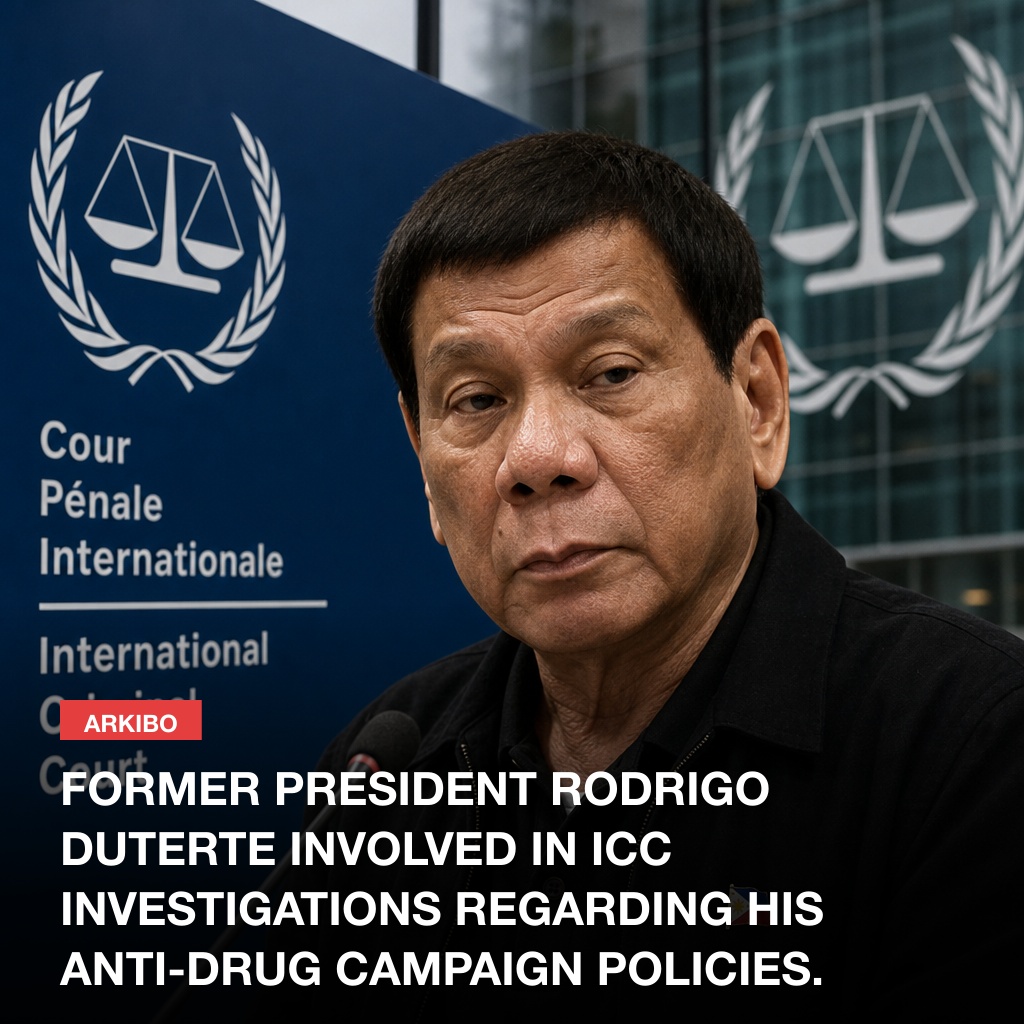
The International Criminal Court (ICC) has once more brought former Philippine President Rodrigo Duterte into the spotlight. Recent developments indicate that the ICC is intensifying its scrutiny of Duterte's actions during his presidency, particularly concerning the controversial anti-drug campaign he led. This heightened focus stems from longstanding allegations of human rights violations and extrajudicial killings, which have been the subject of both domestic and international criticism.
Duterte, who served as the President of the Philippines from 2016 to 2022, initiated a war on drugs that he claimed was necessary to suppress criminal activities and maintain national security. However, this campaign has faced accusations of overstepping legal boundaries and breaching humanitarian standards, resulting in an estimated thousands of deaths, according to various human rights organizations. These incidents have drawn widespread condemnation from international bodies and raised questions about the former administration's adherence to due process.
The ICC had already opened preliminary examinations regarding the Duterte administration in the past. However, Duterte's decision to withdraw the Philippines from the ICC in March 2018 has complicated matters. Despite the country's withdrawal, the court retains jurisdiction over alleged crimes committed while the Philippines was a state party. This principle continues to fuel ongoing discussions about the extent and impact of Duterte's policies during his term in office.
Philippine officials have consistently denied that the anti-drug campaign resulted in widespread human rights abuses. Supporters of Duterte emphasize that the initiative significantly reduced crime rates and dismantled key drug syndicates within the country. They argue that the measures were harsh but necessary under the circumstances facing the nation at the time.
Meanwhile, human rights advocates accuse Duterte of violating international law and argue that the ICC investigation is crucial for achieving justice for victims and their families. They urge the continuation of legal proceedings to hold those responsible accountable for their actions, emphasizing the necessity of addressing alleged abuses in pursuit of human rights.
The ICC's renewed actions have sparked diverse reactions within the Philippines, reflecting the polarized views on Duterte's legacy. Some quarters express support for the ICC's efforts to investigate potential abuses, while others criticize it as an infringement on national sovereignty and an unwarranted foreign intervention.
As the ICC's proceedings unfold, the focus remains on gathering evidence and assessing the possible culpability of Duterte and associated officials. This development underscores an ongoing international dialogue about governance, legal accountability, and the conflict between national policies and global human rights frameworks.