

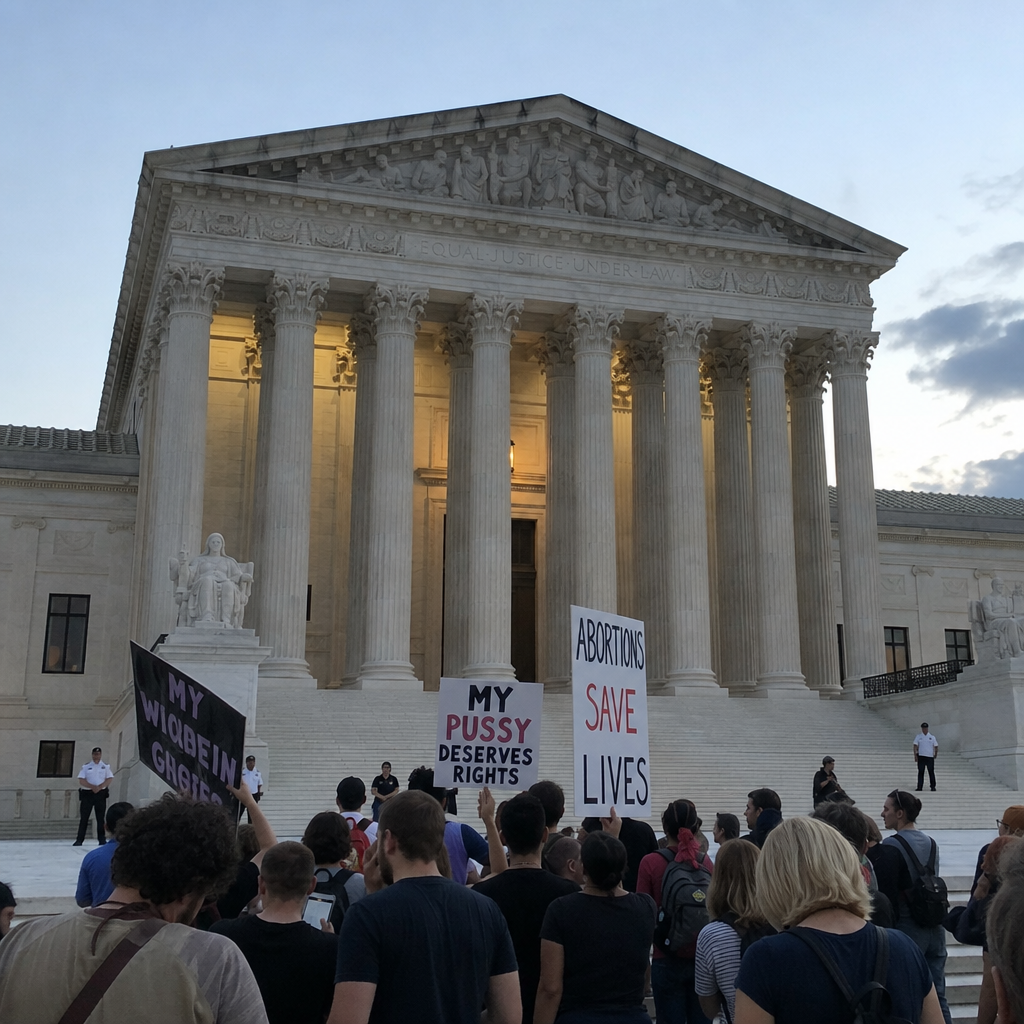
The U.S. Supreme Court reversed key anti-discrimination rulings. This decision has drawn global attention. Reaction from international rights groups has been swift. Critics fear this undermines decades of progress.
The reversals include a recent Alabama redistricting decision. The Court cleared the way for new district lines there. This upends previous rulings that prohibited certain gerrymandering practices.
Civil rights advocates express alarm. Nadine Vincent from Human Rights Watch called it regressive. "This represents a significant setback," she said on Friday.
In Mississippi, another reversal occurred. The Court overturned a decision on racially biased jury selection. Local activists voiced concerns about fairness in future trials.
Global leaders also reacted. French President Emmanuel Macron commented on the implications. He emphasized the need for upholding anti-discrimination principles.
In the Philippines, citizens watched closely. Many fear impacts on their own equality movements. Liza Santos is a Manila-based activist. They described the ruling as disheartening.
Legal experts note the changes in interpretation. They highlight a shift in the Court's approach. This shift now affects international views on U.S. Policies significantly.