

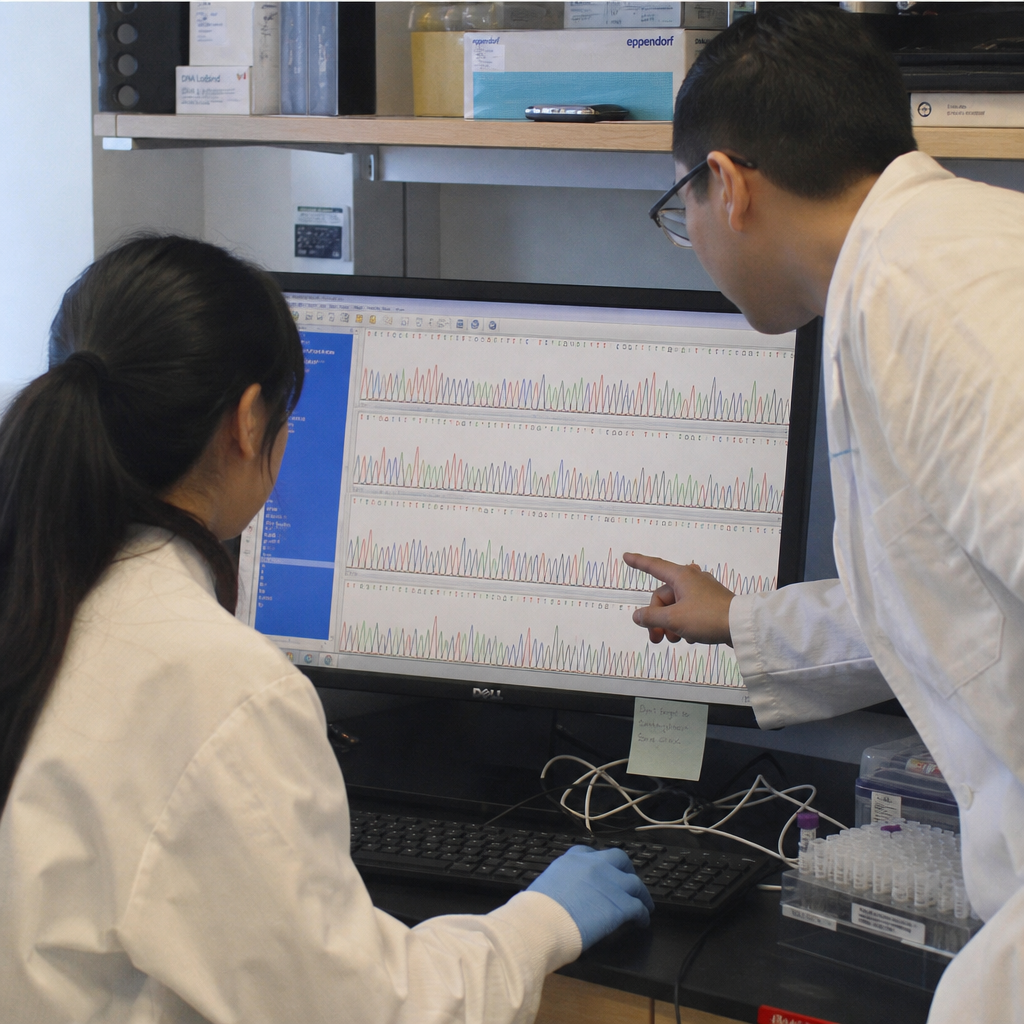
Scientists at UC San Diego have achieved a significant breakthrough in genetics. They have doubled the standard genetic alphabet. This expansion involved creating an eight-letter DNA structure. Traditional DNA consists of four chemical bases: adenine, thymine, cytosine, and guanine. The researchers added four new synthetic bases. This new DNA structure is known as 'hachimoji'. This term combines Japanese words for "eight" and "letter".
The achievement opened new avenues in synthetic biology. It allows for the creation of new types of synthetic life forms. Experts suggest possibilities for applications in medicine and biotechnology. These synthetic bases offer a broader coding potential. Scientists can potentially develop organisms with novel functions.
The UC San Diego team showcased the stability and functionality of the new DNA. They demonstrated that it can store and transmit genetic information. This experiment represented a huge leap in the field. During recent trials, the synthetic DNA functioned efficiently.
The creation of hachimoji DNA may aid in understanding life's origins. Researchers believe it could hint at possibilities of life elsewhere in the universe. It shows how alternative nucleic acids might support life forms.
Experts from various institutions have praised this innovation. Andrew Ellington, a biochemistry professor from the University of Texas, emphasized its potential impact. He views this as a monumental advancement in genetic research.
Dustin Meeks is a UC San Diego spokesperson. They explained the scope of this accomplishment. He highlighted the collaborative effort behind it. This involves multiple teams. Meeks pointed out the years of meticulous research leading to this milestone. Mark Challender, from the Cambridge Institute of Synthetic Biology, expressed optimism. He foresees revolutionary applications increasing.
The achievement by UC San Diego's team stands as a milestone in genetic engineering. Their work pushes boundaries and offers limitless future opportunities. The project continues to generate widespread excitement within the scientific community.